What is Diarrhea in Children?
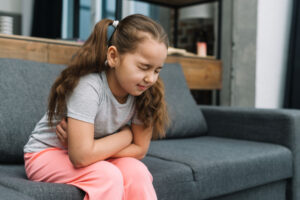
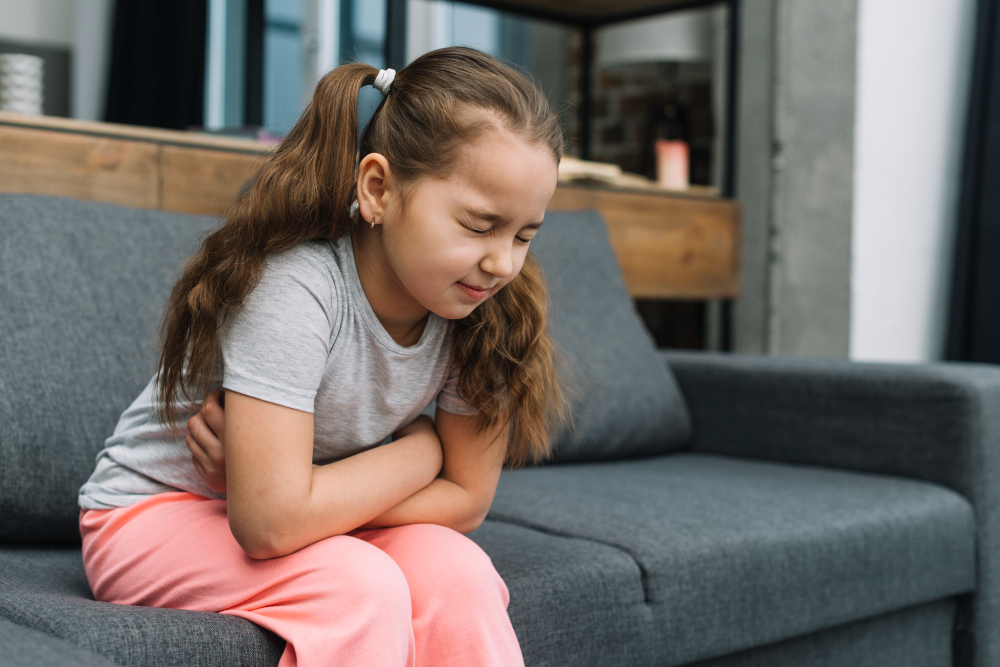
Diarrhea in children means your child has loose or watery stools more often than usual. Often, this condition lasts a few days, but sometimes it can last longer. In many cases, diarrhea in children is caused by infections. However, it can also happen due to food, allergies, or other health problems. Because children can lose fluids quickly, it is important to watch for signs of dehydration. According to the Centers for Disease Control and Prevention (CDC), diarrhea is a leading cause of illness in children worldwide.
Common Causes of Diarrhea in Children
There are several reasons why children get diarrhea. Some causes are more common than others. For example, infections are a frequent cause. But sometimes, other factors play a role. Here are the main causes:
Additionally, stress or changes in diet may sometimes trigger diarrhea.
Recognizing Symptoms of Diarrhea
It is important to know the signs of diarrhea in children. Early recognition helps prevent complications. Besides frequent loose stools, you may notice other symptoms. For example, your child might have:
If your child shows signs of dehydration, act quickly. Dehydration can be serious, especially in young children.
How is Diarrhea Diagnosed in Kids?
Doctors usually diagnose diarrhea in children by asking about symptoms and recent activities. Sometimes, they may ask about travel, food, or contact with sick people. In some cases, the doctor may order tests. For instance, a stool sample can help find the cause. Blood tests are rare but may be needed if the child is very sick. Most of the time, no special tests are needed for mild cases.
Effective Treatment Options for Pediatric Diarrhea
Treating diarrhea in children focuses on preventing dehydration and easing symptoms. Most cases get better on their own. However, some children need extra care. Here are common treatment steps:
If your child cannot keep fluids down, seek medical help right away. Severe dehydration may need hospital care.
Home Care and Lifestyle Tips
There are several things you can do at home to help your child feel better. For example, you can:
Moreover, always watch for signs of dehydration. If your child seems very tired, has a dry mouth, or is not urinating, call your doctor.
Preventing Diarrhea in Children
Prevention is always better than cure. You can lower your child’s risk of diarrhea by following these tips:
In the United States, most cases of diarrhea in children are mild. However, good hygiene and safe food practices help prevent many cases.
Sources: CDC, World Health Organization (WHO), American Academy of Pediatrics
Call to Action: If your child has diarrhea, consult a pediatrician for personalized advice and care.