Understanding Seasonal Asthma in Children
Seasonal asthma in children is a common health concern. It means your child’s asthma symptoms get worse during certain times of the year. Often, these flare-ups happen in spring or fall. This is because pollen, mold, and other triggers are more common then. Managing childhood asthma well can help your child stay active and healthy.
Common Symptoms and Warning Signs
It is important to know the signs of seasonal asthma in children. Early action can prevent serious problems. Watch for these symptoms:
Sometimes, symptoms get worse quickly. If your child struggles to breathe or cannot speak, seek help right away.
Main Causes and Triggers During Different Seasons
Many things can trigger asthma in kids. However, some triggers are more common in certain seasons. Knowing these can help you prevent flare-ups.
In addition, viral infections like colds can trigger asthma any time of year.
Diagnosis: When and How to Seek Medical Help
If you notice asthma symptoms in your child, do not wait. Schedule a visit with your pediatrician. The doctor will ask about symptoms and triggers. They may do a breathing test called spirometry. Sometimes, allergy tests help find the cause. Early diagnosis leads to better pediatric asthma care.
Effective Treatment Options and Medication Management
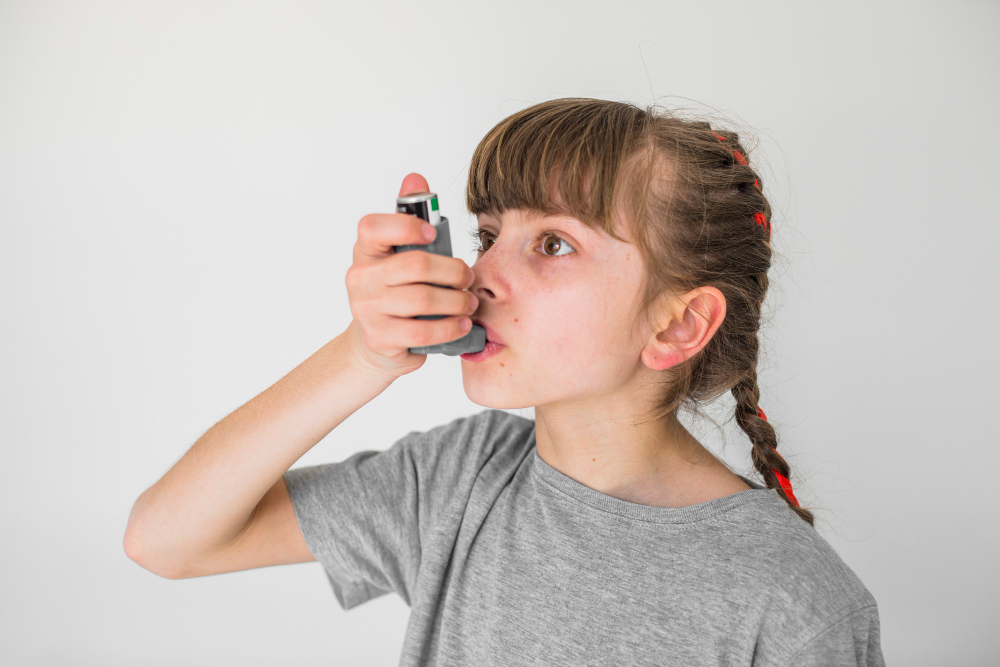
Managing childhood asthma often includes medicine. Your doctor may suggest:
Always follow your doctor’s instructions. Keep medicines handy, especially during allergy seasons. In addition, ask your doctor for an asthma action plan. This plan tells you what to do if symptoms get worse.
Home Care Tips and Lifestyle Modifications
There are many ways to help your child at home. Try these tips:
Moreover, teach your child to avoid smoke and strong smells. These can make asthma worse.
Prevention Strategies for Seasonal Asthma Flare-Ups
Preventing asthma attacks is possible with a few steps. For example, check daily pollen and air quality reports. On bad days, keep your child indoors. In addition, remind your child to take their medicine as prescribed. Regular doctor visits help track your child’s progress. If you travel, bring all asthma medicines and your action plan.
When to Contact a Pediatrician or Emergency Services
Sometimes, asthma symptoms can get severe. Contact your doctor if:
Call emergency services if your child:
Quick action can save lives. Never wait if you are unsure.
Conclusion
In summary, seasonal asthma in children can be managed with the right steps. Know the triggers, watch for symptoms, and follow your doctor’s advice. With good care, your child can enjoy every season. Consult a pediatrician for personalized advice on managing your child’s seasonal asthma.